
The Cycle Diaries
Thoughts on the world, Latin America and a new book

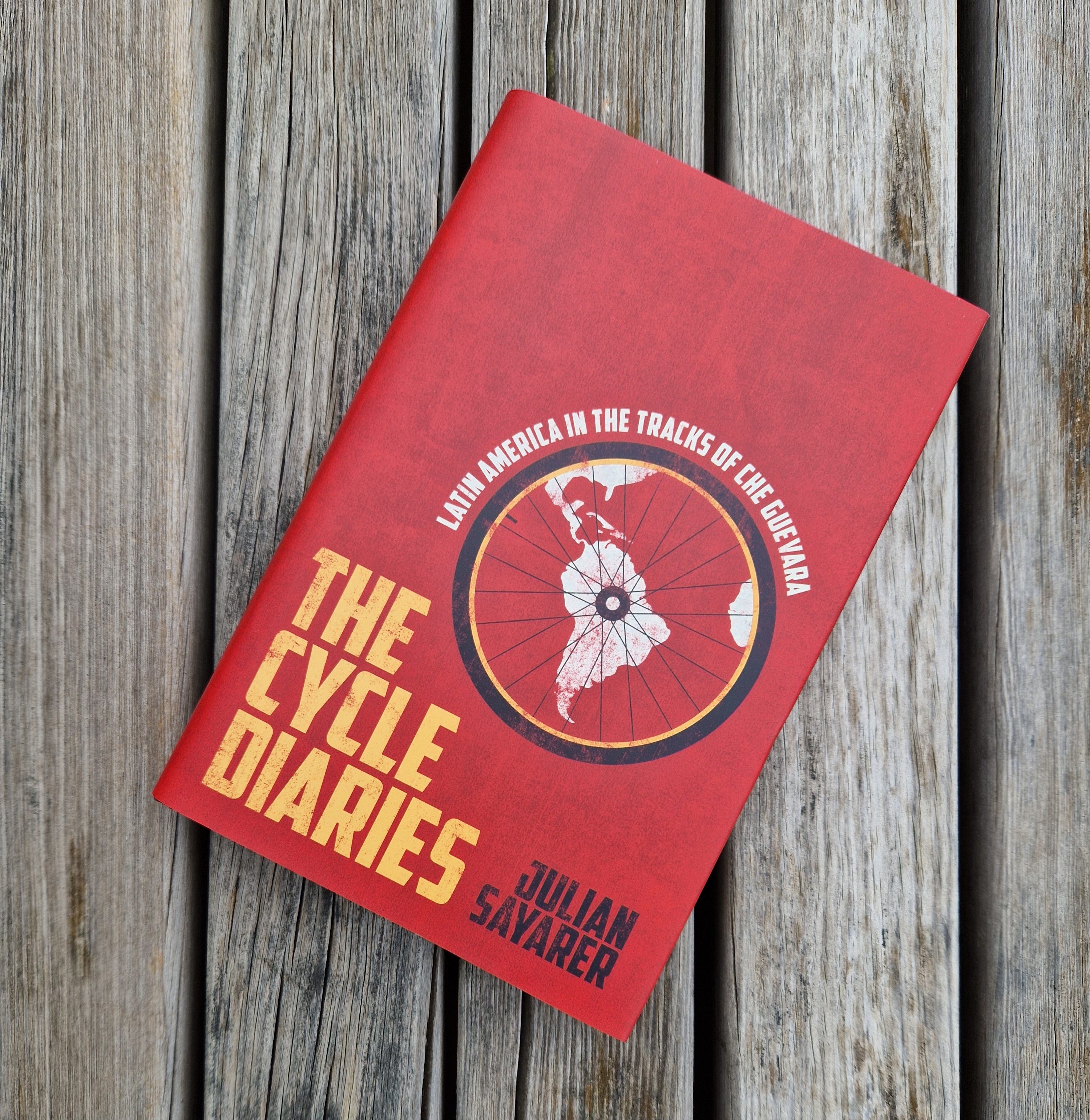
It’s strange to have a new book come out when the world seems to change so much and so fast. Also when the timing and the location of that book, across in Latin America and a few years ago, feels so distant to many of my current thoughts, as well as my current whereabouts (Istanbul).
Equally though this state of mind, a sort of geographical-emotional confusion, if you will, in many ways always permeated this book. In brief recap, with an apology to those who already know the backdrop, in October 2023 I was in Lebanon, shortly after Palestinians broke out of the Gaza camps that israelis had locked them in almost two decades prior. The plan to ride through Latin America — following the route from Ernesto “Che” Guevara in The Motorcycle Diaries — already existed, but with such evidently seismic events underway, it felt hard to go so far from where everything was suddenly happening. In many respects the book was hard to write because I was so often emotionally in Palestine, though throughout I felt this detachment in place offered more connection than the dislocation it might have represented.
Sometimes that connection was formal; I met Riyad Al-Halabi, the Palestinian Charge d’Affaires in Buenos Aires, and Walid Muaqqat, the Palestinian Ambassador to Peru. Sometimes it was informal; talking to a Beirut bar owner about how the israelis used Lebanese territory, during their occupation in the 80s, to train Colombian mercenaries who then exported the same methods of terror to Latin America. I was in Buenos Aires when two Argentine-jewish settlers were retrieved from captivity in Gaza, in a bloody raid that killed scores of Palestinians, many of them children, to retrieve two elderly jewish men who could have been safely extracted by negotiation anyway.
Ultimately I lose count of how many times Palestine or the Levant unexpectedly appeared for me in Latin America: obviously the regular Palestinian flags, the Palestina Libre graffiti, but less obviously in the Palestinian diaspora found in Bogota, the Lebanese restaurant unexpectedly in the Amazon. It was often a hard sequencing and synchronicity to write, and I hope I managed it OK, but without doubt I feel it made the book stronger. I hope that I wrote something that contained a world beyond only the continent I was in, because that was always the feeling and the goal.
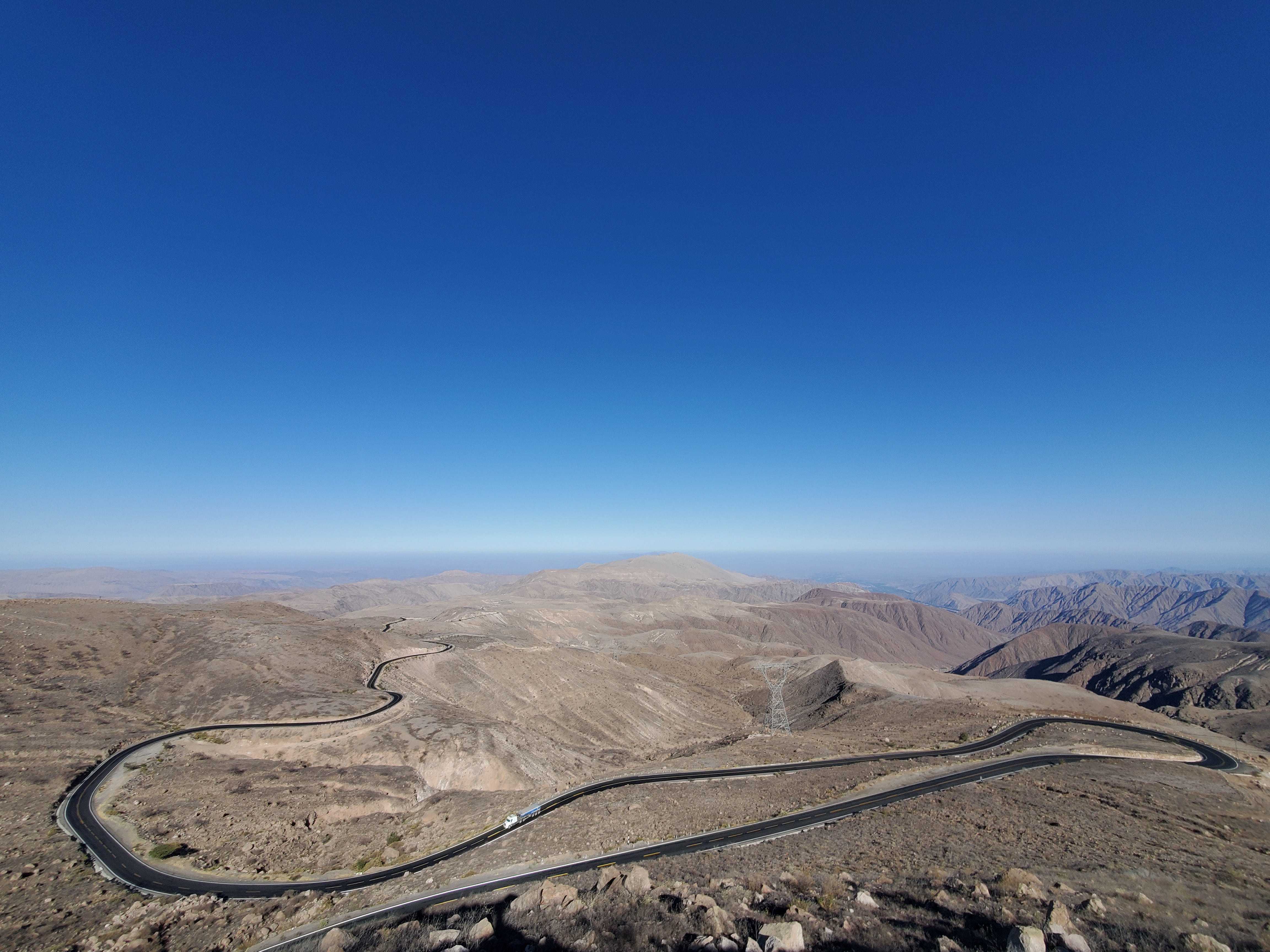
Less easy to resolve, but also important to reflect on, were the dilemmas of travel within a time of genocide. I blogged on the subject during the emptiness of the Chilean Atacama, where I perhaps had even less company than usual to stop me reflecting simply on the meaning of what it is to be here on Earth.
Similarly, albeit differently, I found myself reflecting among the heavy tourism of Patagonia on the accessibility of travel in modernity, and if these experiences help us find our ways closer to meaningful action and living, or take us further from them. In some respects I might have had similar misgivings at the famously touristed Machu Picchu, though there, faced by such triumph of an indigenous civilisation, even in its ruins and undeniably reduced to mass spectacle, it was ultimately impossible not to perceive a striking relevance to struggles still being waged in Latin America, Palestine, and globally.
It feels almost surprising to find myself quite emotional about this book about to come out and join my others. You conceive of an idea, you work on it, you see it through, and then it is no longer yours somehow, it becomes the property of other people, a thing for them to like or dislike. And you find a new project. It is perhaps rare among professions that writers working on books often end up with such quite literally bounded collections of what we have given a short period of years to.
In reality and it should probably not be so surprising that a new book, after all this time (not to mention the labour of the pedalling, the exposure to elements, to isolation), in its culmination, its meeting with a broader public, might prompt emotion. But this feeling of emotion is also complicated, perhaps like everything, in a time of genocide; to what extent am I entitled to feel a thing, in a life so comparatively comfortable? Is such feeling and its inherent vulnerability a weakness when faced with such cruelty, or is it a part of the determination to go on being human; to insist on humanity from those who behave with inhumanity, to demand that those whose humanity is obscured be seen by those who have trained themselves to ignore it?
I think I gave a lot of myself to this book, and I think it’s a good one. Retracing Guevara’s route, comparing the notes of 1952 to my pedal strokes now, was a beautiful insight across history, a process of discovering likeness and differences. I am sure the world in some ways became more global than it was for Guevara, which throws up both possibilities and problems for us as a species. I am sure that we now see the world more in individual than in class-based terms, which also throws up both possibilities and problems for us as a species. He undertook his journey with Alberto Granado at the age of 24, which I occasionally reflected was my age when I set out to cycle round the world, but an age that is now many kilometres and countries behind me.
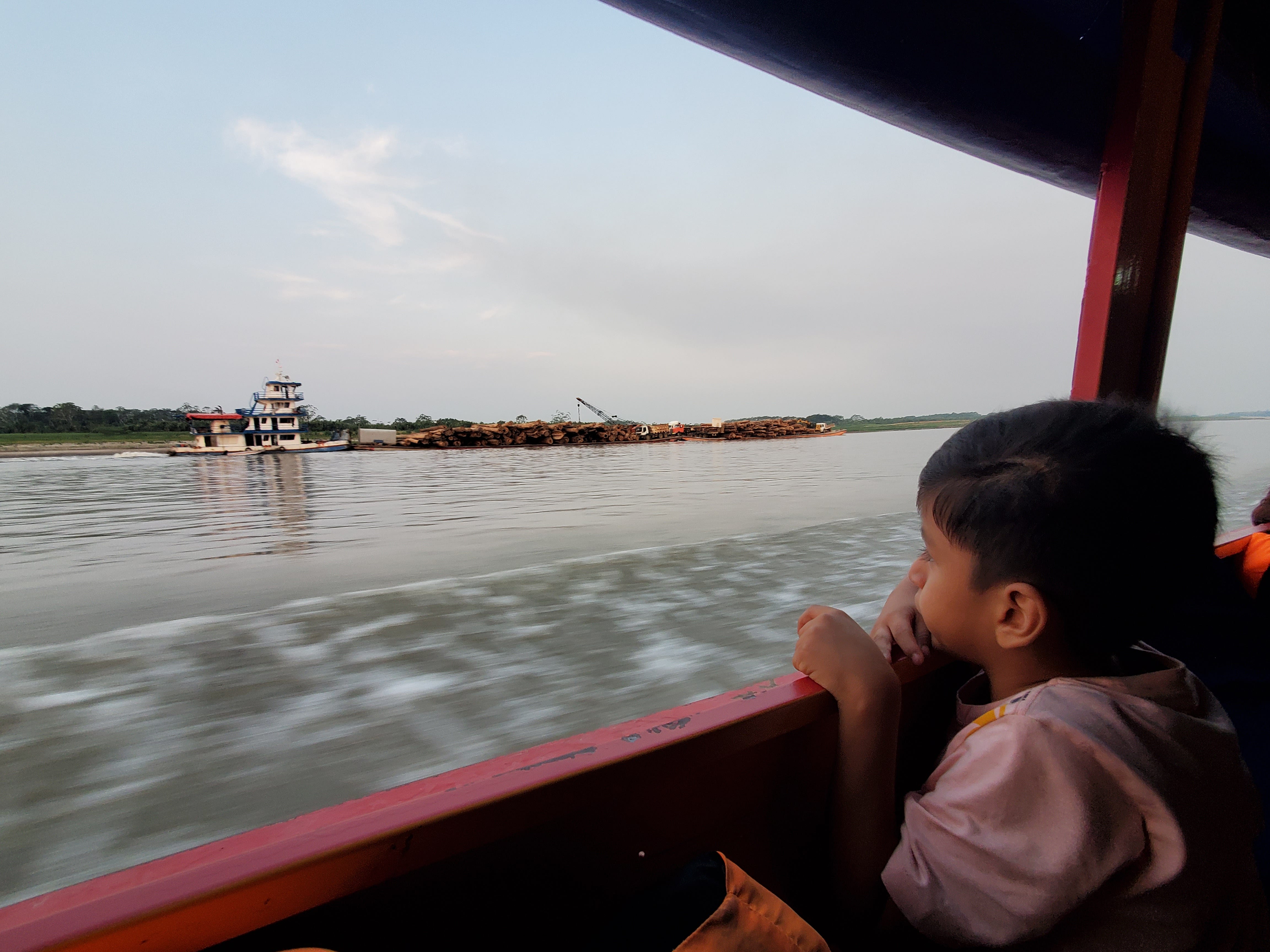
In talking of Palestine and of the large themes of life and living, it is easy to miss that Latin America is itself a continent of enormous emotion. It is a place that has had great harm done to it, mostly in the last century at the behest of the US and their local partners. Before that by the British, Portuguese, and of course the Spanish. It is a place of vast wealth and shocking poverty. It is a place of people with great dignity and honesty struggling to get by. It is a place where the Mapuche or the people of Bolivia still resist the settling of their continent by colonisers, while others seem to have been successfully absorbed into a US model of capitalism that only fails them anyway. It is a place where a child on a boat going down the Amazon looks out and watches the logging barges that ship the trees that are felled in their thousands. It is a continent of indescribable size and beauty, which together somehow hold all of this emotion and leaves you feeling a greater emotion on top of it. I still cannot get over the beauty of the Altiplano or the Andes. I still can’t get over having cycled so far, how good the people who helped me through their continent, how often and badly they are so failed by the people that run their countries, as are the people of most countries.
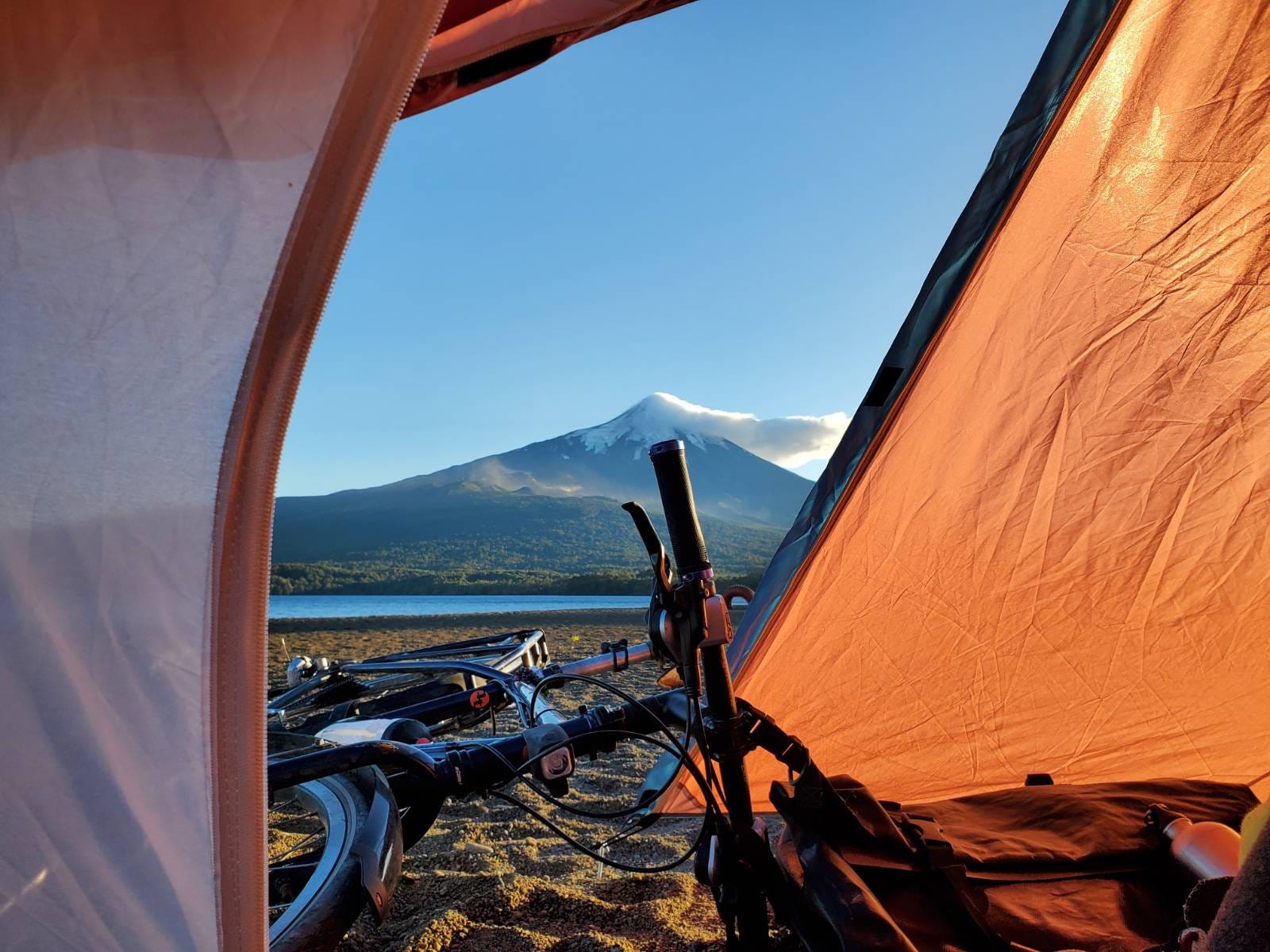
I have a couple of ideas for my next project, some of them based as always on travel and cycling a long way, others on collections from past journeys, others still in fiction.
I hope you enjoy The Cycle Diaries and that, whatever it is, my next project can live up to one that proved to be of such epic proportions. UK followers can buy the book through my bookshop here, which pays a small commission to both myself and local bookshops nationwide. Of course supporting your own local bookshop is no less valuable, and it’s always good to have shops aware of a new publication anyway. The London launch still has some tickets available.
The book is scheduled for release in international markets soon after the UK, mostly this autumn. However you get your copy, I hope you enjoy reading. Thanks for the support along the way.